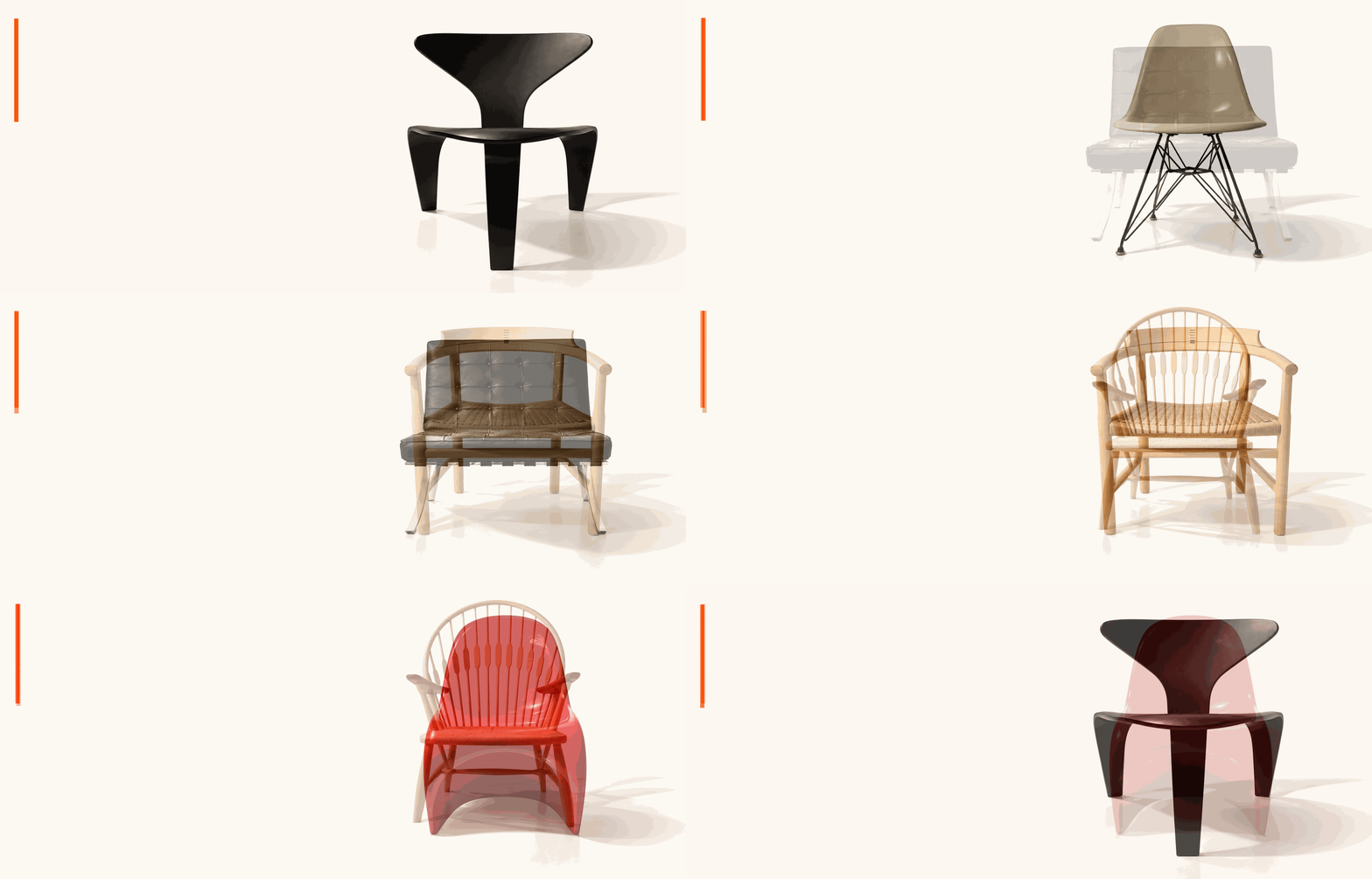
How 125 Danish chairs became prompts for character, genre and visual storytelling.
I drove from Paris to Denmark on what I can only describe as an absurdly nerdy LEGO pilgrimage. Along the way, I stopped at LEGO Stores to get my LEGO Passport stamped, with LEGO House in Billund as my final destination. That journey is a topic for a future uncanny blog post!
But I rarely travel without visiting museums, galleries or exhibitions. As a filmmaker and film teacher, I cannot switch off the part of my brain that turns what I see and hear into cinema. Music suggests scenes. Buildings suggest fictional worlds. Paintings suggest colour palettes. Even an unfamiliar street can make me wonder who might live there and what story could unfold.
In Copenhagen, that habit led me to Designmuseum Danmark. Its chair collection completely blew my mind. Somewhere inside the museum, my teacher brain started planning a lesson.
Wait, a museum full of chairs?
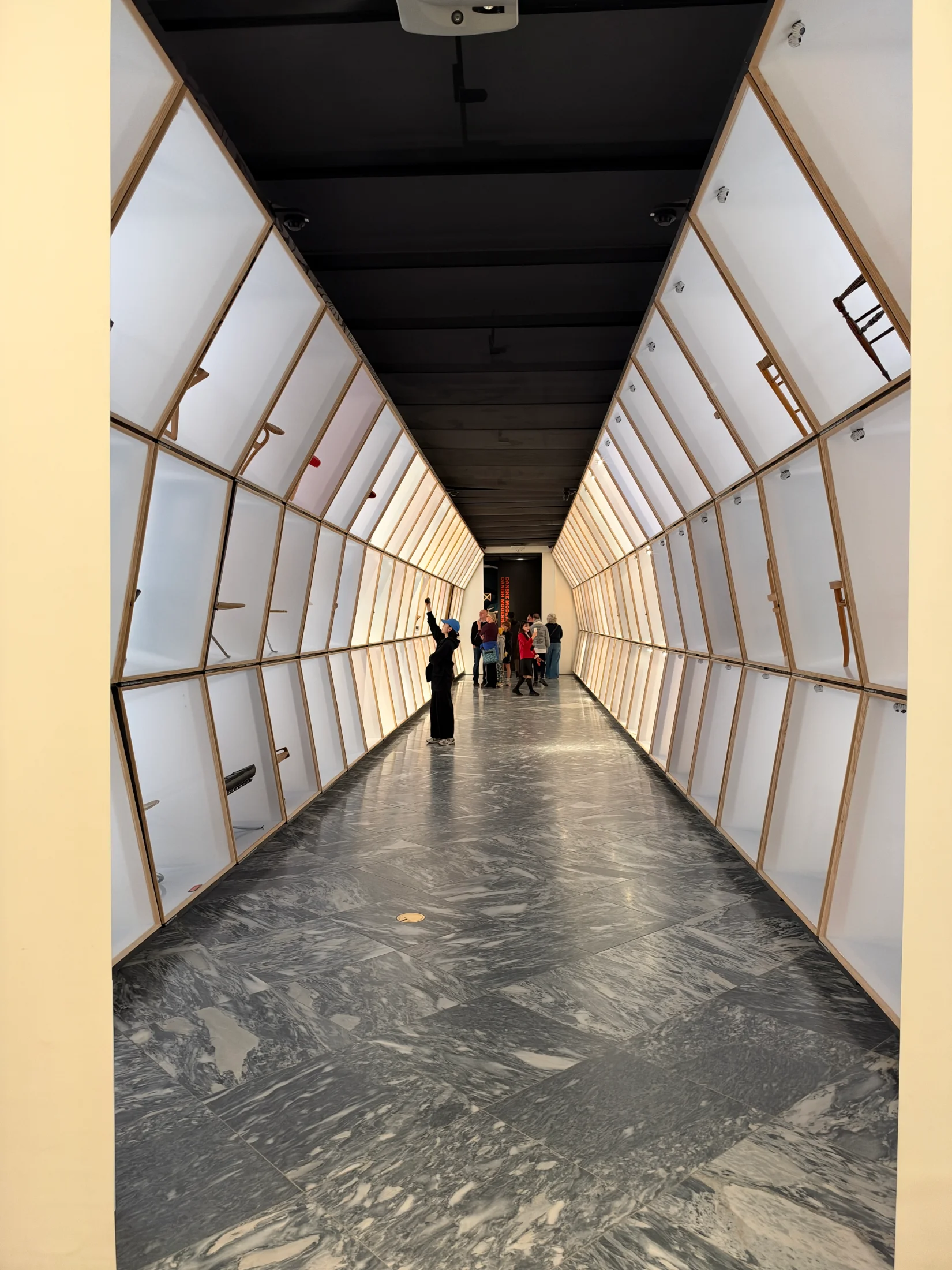
Designmuseum Danmark explores Danish design through furniture, fashion, textiles and decorative arts. In its Danish Modern exhibition, a tunnel displays 125 chairs from floor to ceiling.
At first, the installation feels almost overwhelming. Then you begin to notice the differences. Each chair has its own materials, proportions, curves and construction. Some look elegant and restrained. Others appear playful, severe, fragile, comfortable or slightly absurd.
Displayed individually, they stop looking like ordinary pieces of furniture. They begin to feel like characters.
I started photographing them. Then I bought the museum’s book, The Danish Chair: An International Affair. As I moved through the exhibition, I kept imagining ways to use the chairs in class.
What if I showed students five chairs and asked them to invent their owners? Who would choose each one? Where would that person live? What kind of work would they do? What would their home reveal about them?
What kind of film might each chair belong in? A romantic comedy? A political thriller? A science-fiction film? A quiet family drama?
Yes, I am apparently incapable of visiting a museum without turning it into an IB Film activity.
Still, the idea seemed worth exploring. One familiar object had opened several paths into character, setting, genre and mise-en-scène.
What can a chair teach us about production design?
We spend plenty of time teaching cinematography, directing, editing, sound and writing. The IB Film Guide lists these as the five traditional film production roles. For the Film Portfolio, it also permits students to explore one other clearly defined, visually creative role. Production designer is one of its examples.
I have not always made enough space for this role in my classes, even though production design offers students a powerful way to explore visual storytelling.
Everything placed within the frame communicates something. Furniture, wallpaper, paintings, colours, clothing and personal objects can reveal a character’s background, emotional state, social world and history before anyone speaks.
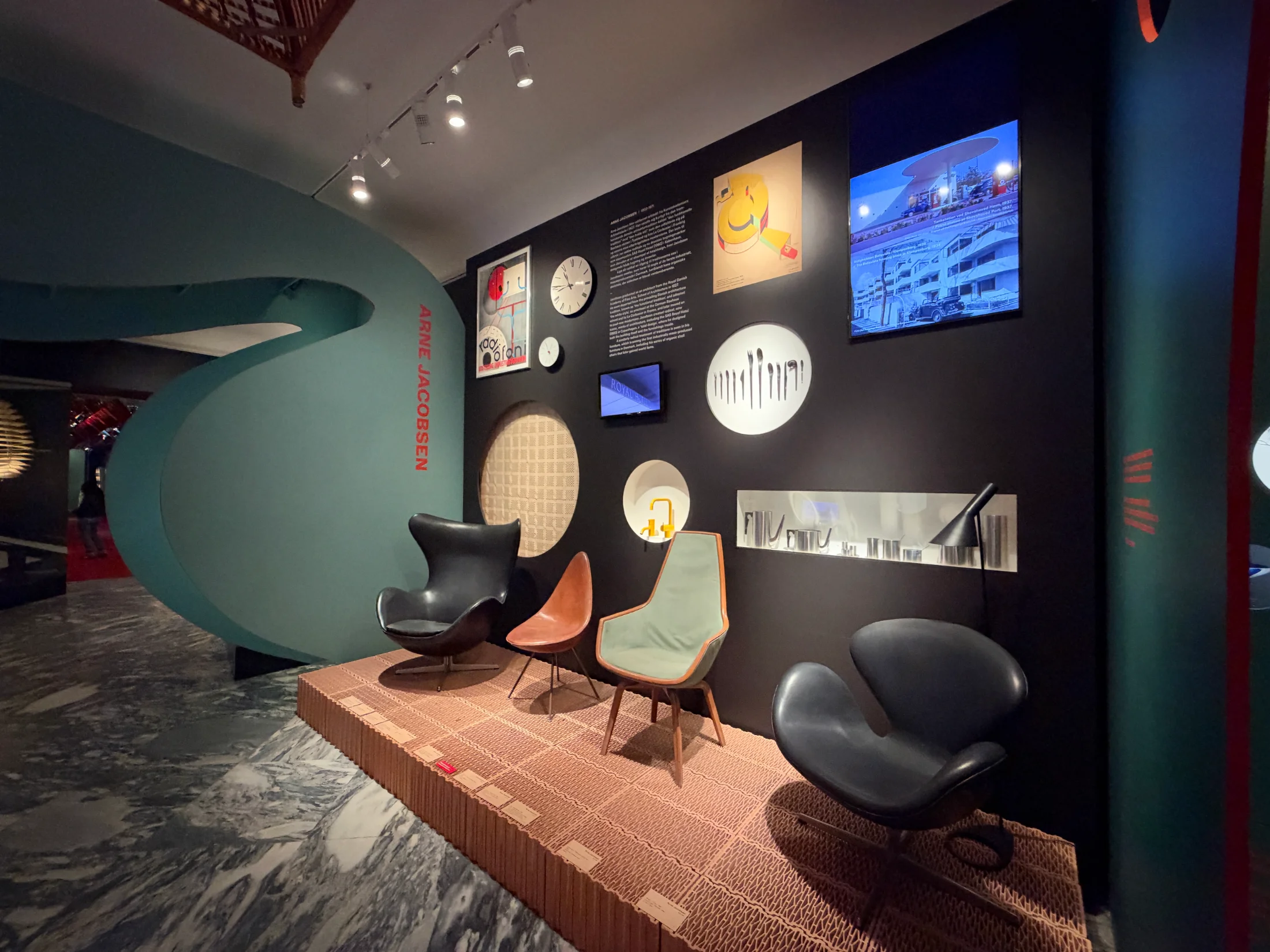
Imagine the same black leather chair in two different settings. In a spotless office with glass walls and cold light, it might suggest authority, control or isolation. In a crowded apartment filled with books, plants and unfinished cups of coffee, it tells a different story.
The chair has not changed. Its meaning has.
That is the foundation of the classroom activity I began imagining in Copenhagen. Students could select a chair, create a character who owns it and design a setting around that person. They would need to explain how the chair’s shape, material and condition influenced their choices.
They could then place the same chair in a different genre and change its meaning. A bright plastic chair might seem cheerful in a children’s film, artificial in a dystopian drama or unsettling in a horror film.
The point would not be to discover the “correct” meaning of each chair. The point would be to make deliberate creative choices and explain how those choices support a story.
Production design does not simply decorate a film. It tells us how to read its world.
Cinema does not exist in a bubble
The chair exhibition also reminded me that filmmakers need to explore more than film.
Cinema has always borrowed from painting, photography, architecture, theatre, literature, fashion and music. A filmmaker may find the beginning of a scene in a song, a lighting idea in a painting or an entire fictional world in a building.
On one of my first visits to the Musée d’Orsay in Paris, I remember watching films by Georges Méliès projected inside the museum. The building began its life as a railway station created for the 1900 Paris Exposition. It now houses paintings, sculpture, photography, architecture and early cinema.
That combination stayed with me. The films did not feel separate from the other works around them. They belonged to the same history of artists experimenting with colour, movement, light, space and illusion.
Jean-Pierre Jeunet’s Amélie offers another example. The film’s rich reds, greens and warm yellows did not emerge from cinema alone. Jeunet found inspiration in the work of Brazilian painter Juarez Machado, whose colours helped shape the visual world of the film.
A painting can influence a cinematographer. Architecture can guide a production designer. Music can inspire an editor’s rhythm. A novel can suggest a structure for a screenplay.
Filmmakers do not create from an empty room. They create through connections.
Teaching students to look beyond the screen
Living in Paris makes those connections difficult to ignore. Art appears everywhere: in museums, galleries, theatres, cinematheques, temporary exhibitions and sometimes on the street.
At school, morning announcements are sent to students and read in class each day. Once a week, I contribute a section called Paris Arts Spotlight, where I recommend cultural experiences for students and the wider school community. The recommendations are not limited to films released that week. I might suggest an exhibition, an English-language theatre production, a musical performance, an immersive experience or a film screening with live orchestral accompaniment.
I do not know how many students write down my recommendations, and I suspect even fewer attend. Still, I keep sharing them because curiosity needs encouragement. Students may not yet know which experience will capture their attention, influence their ideas or change the way they make films. Sometimes they simply need someone to show them what is available.
Watching films remains essential, but films cannot be a filmmaker’s only source of inspiration. Students can study composition through painting, space through architecture, character through literature, movement through dance and rhythm through music. These encounters give them a richer visual and emotional vocabulary.
If we want students to develop individual voices, we need to help them build a wider world of references.
Bringing Copenhagen back to the classroom
I left Designmuseum Danmark with hundreds of photographs, a book about chairs and a half-formed classroom activity.
The journey had started with LEGO. Somewhere along the way, it became a reflection on production design, character and the places where creative ideas begin.
Inspiration does not always announce itself. It may appear in a song, a painting, a building, a street or a chair displayed in a museum.
When I return to class, I want to show my students those chairs and ask a simple question:
Who might sit here?
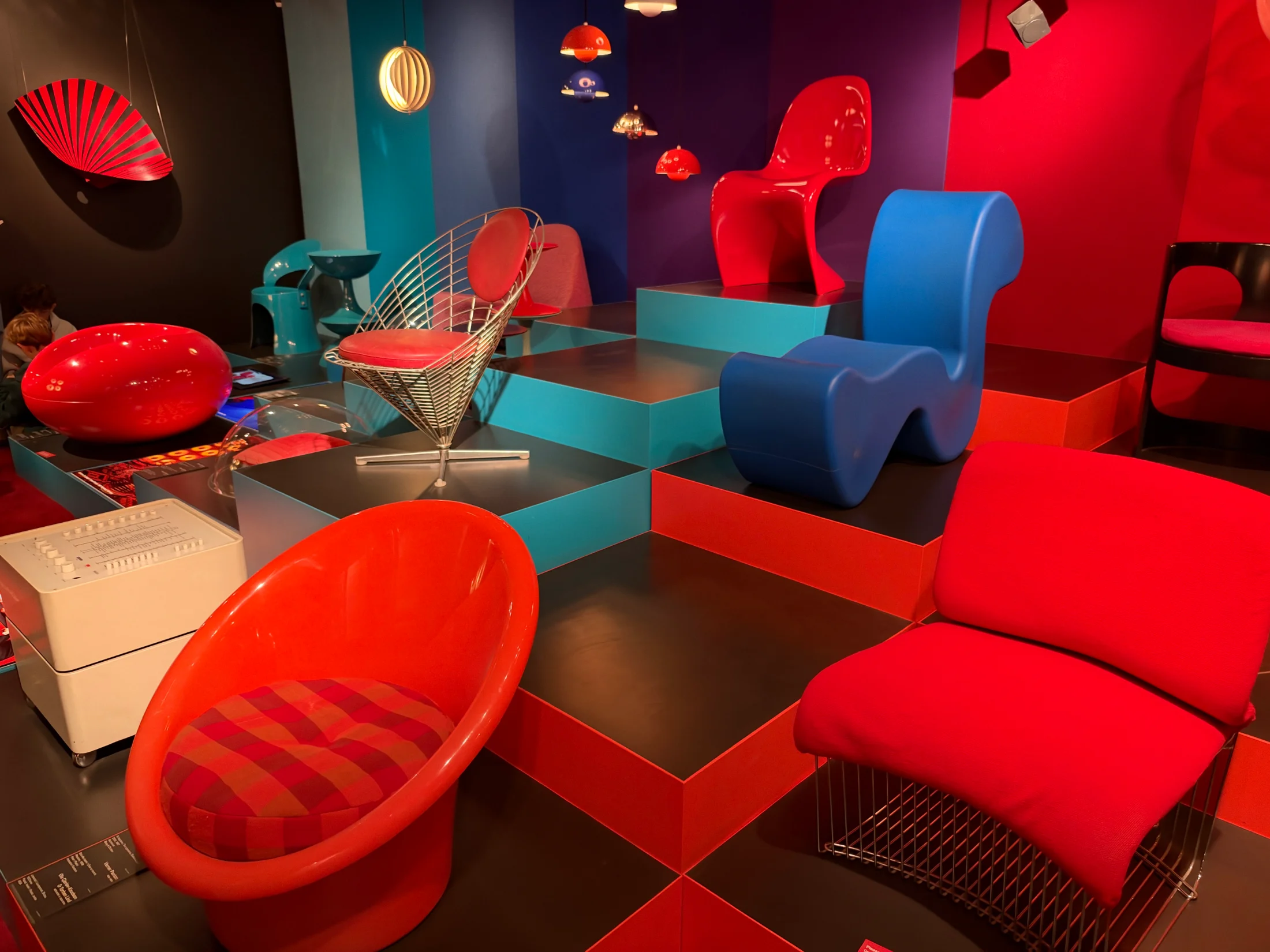
From that question, they can begin to imagine a character. From the character, they can build a room. From the room, they can create a world. From that world, perhaps, they can create a film.
Billund is next, so the LEGO pilgrimage continues. But the larger lesson will travel back with me. If we want our students to become more creative filmmakers, we need to encourage them to stay curious about the world, not only about cinema.
After all, a chair is never just a chair.
Photographs taken at Designmuseum Danmark, Copenhagen, October 2026.
Coming soon: The Chair Casting Challenge, a classroom activity for exploring character, genre and production design.